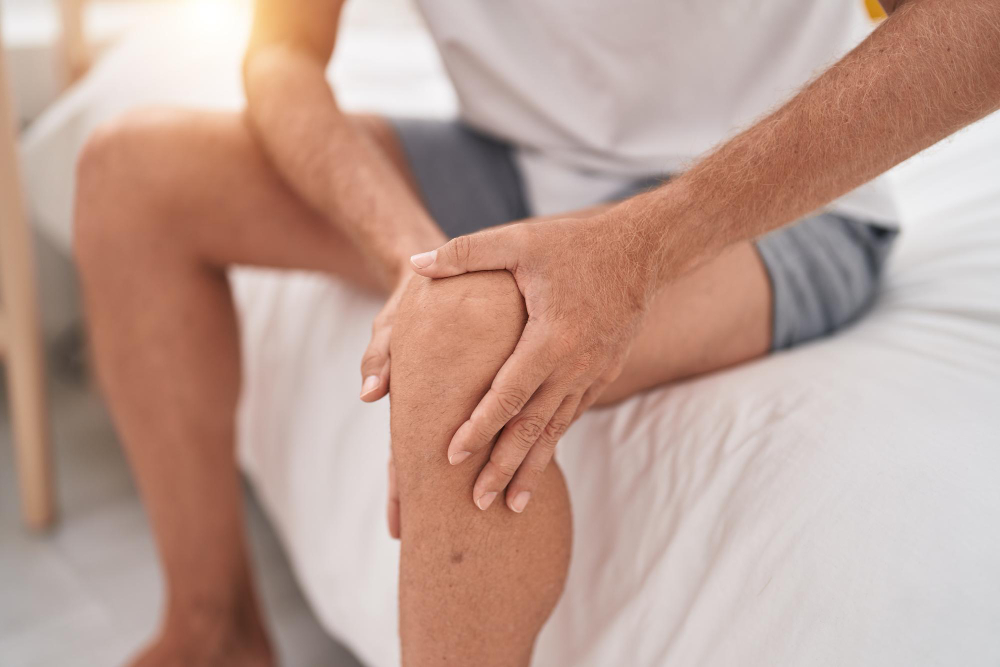
What is Runner’s Knee?
Runner’s knee is a common name for patellofemoral pain syndrome. This condition causes pain around the front of the knee. While it often affects runners, anyone can get it. For example, people who walk, jump, or climb stairs may also feel this pain. In many cases, runner’s knee happens when the knee joint is overused. However, other factors can play a role too. The pain can make daily activities harder, but simple treatments often help. According to the CDC, knee pain is a leading reason people see a doctor for joint problems.
Common Symptoms of Runner’s Knee
Runner’s knee symptoms usually start with pain in the front of the knee. Sometimes, the pain gets worse with activity. For instance, walking up or down stairs can make it hurt more. Sitting for a long time may also cause discomfort. In addition, you might notice swelling or a popping sound in the knee. Early signs can be mild, but they may get worse if not treated. Watch for these common symptoms:
Causes and Risk Factors
Many things can lead to runner’s knee. Most often, overuse is the main cause. When you repeat the same knee movements, the joint can become irritated. But other reasons can also play a part. For example, weak thigh muscles may cause the kneecap to move out of place. Flat feet or poor running shoes can add extra stress to the knee. In some cases, an injury or a sudden increase in activity can trigger pain. The following risk factors may increase your chance of getting runner’s knee:
Because many factors are involved, it is important to pay attention to how your knees feel during and after exercise.
How Runner’s Knee is Diagnosed
Doctors use several steps to diagnose runner’s knee. First, they will ask about your symptoms and activity level. Next, they will check your knee for pain, swelling, and movement. Sometimes, doctors may ask you to walk or squat. This helps them see how your knee works. In some cases, they may use imaging tests. For example, an X-ray or MRI can rule out other problems. However, these tests are not always needed. Most of the time, a careful exam and your medical history are enough to diagnose runner’s knee.
Treatment Options for Runner’s Knee
There are many ways to treat runner’s knee. Early treatment can help you heal faster. Rest is important, so try to avoid activities that cause pain. You can also use ice packs to reduce swelling. Over-the-counter pain medicine, such as acetaminophen or ibuprofen, may help. In addition, gentle stretching and strengthening exercises can support recovery. Physical therapy is helpful for some people. If pain continues, your doctor may suggest special knee braces or shoe inserts. Surgery is rare and only needed if other treatments do not work. Common treatment options include:
Prevention Tips and Lifestyle Guidance
Preventing runner’s knee is possible with a few simple steps. First, always warm up before exercise. This helps prepare your muscles and joints. Next, increase your activity level slowly. Sudden changes can strain your knees. Also, wear shoes that fit well and support your feet. If you have flat feet, consider shoe inserts. In addition, keep your leg muscles strong and flexible. Regular stretching and strengthening exercises can help. Try to avoid running on hard or uneven surfaces. If you feel pain, stop and rest. The following tips can help you prevent runner’s knee:
By following these steps, you can lower your risk of runner’s knee and keep your knees healthy.
For personalised guidance and expert care, Consult Dr. Shankarrao Chavan Memorial Medical College, Nanded.