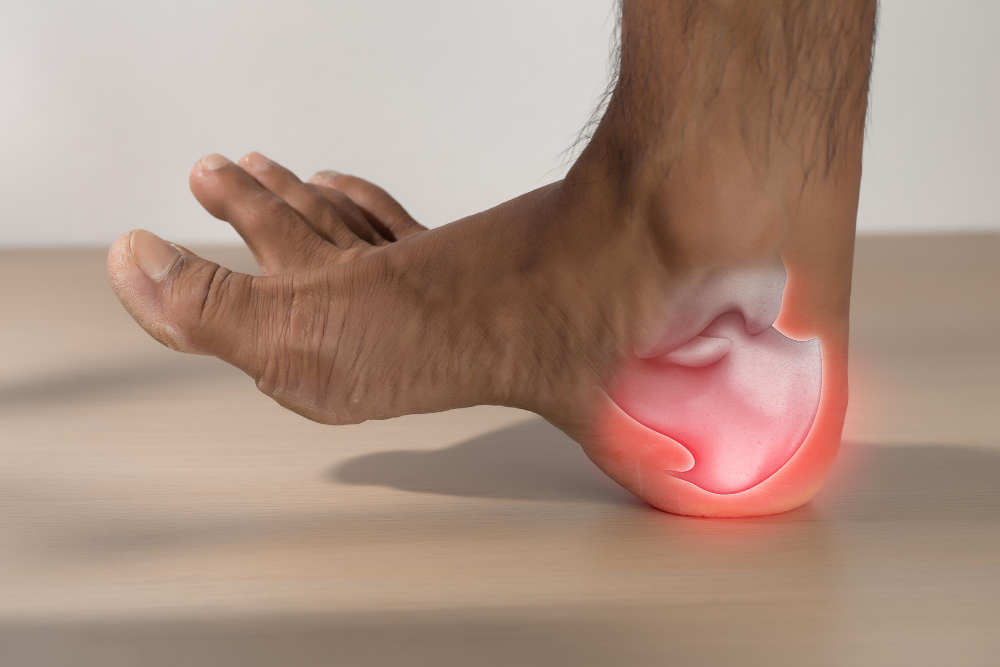
What is Plantar Fasciitis?
Plantar fasciitis is a common cause of heel pain. It happens when the thick band of tissue on the bottom of your foot, called the plantar fascia, becomes inflamed. This tissue connects your heel bone to your toes. Often, people feel sharp pain, especially with the first steps in the morning. Because plantar fasciitis can affect daily life, understanding it is important. Many people seek plantar fasciitis treatment to find relief and return to normal activities.
Common Causes of Plantar Fasciitis
Several factors can lead to plantar fasciitis. While anyone can get it, some people are at higher risk. For example, certain activities or habits can strain the plantar fascia. Here are some common causes:
Because these factors can add stress to your feet, it is important to pay attention to your daily habits.
Recognizing Symptoms
Plantar fasciitis often starts with pain in the bottom of the heel. However, symptoms can vary. Knowing what to look for can help you seek help sooner. Common symptoms include:
Although the pain may improve as you move, it can return after rest. For this reason, early attention is helpful.
Diagnosis Methods
Doctors use several ways to diagnose plantar fasciitis. First, they ask about your symptoms and medical history. Next, they examine your foot for tenderness and swelling. Sometimes, they may order tests to rule out other heel pain causes. These tests can include:
Because other conditions can cause heel pain, a proper diagnosis is important for the right treatment.
Treatment Options
There are many effective treatments for plantar fasciitis. Most people improve with simple steps. However, some may need more advanced care. Common plantar fasciitis treatments include:
If these steps do not help, doctors may suggest steroid injections or other orthopedic solutions for plantar fasciitis. Surgery is rare and only for severe cases.
Lifestyle Tips for Relief
Making small changes can help relieve plantar fasciitis pain. For example, you can:
Because these tips are easy to follow, they can make a big difference in how you feel.
Prevention Strategies
Preventing plantar fasciitis is possible with a few simple steps. Although not all cases can be avoided, you can lower your risk by:
Because prevention is easier than treatment, these habits are worth adopting.
When to See an Orthopedic Specialist
Sometimes, home care is not enough. You should see an orthopedic specialist if:
Since early treatment can prevent long-term problems, do not wait too long to seek help. An orthopedic specialist can offer advanced plantar fasciitis treatment and guide you on how to relieve plantar fasciitis effectively.
For personalized advice on plantar fasciitis, consult an orthopedic specialist Dr. Swapnil Chakkarwar. They can help you find the best solution for your heel pain.