Introduction to Advanced Orthopedic Care
Today, advanced orthopedic care offers new hope for people with joint or bone problems. These modern treatments use the latest technology. As a result, patients often heal faster and feel less pain. In fact, many doctors now use minimally invasive orthopedic procedures. These methods help treat injuries and diseases of bones, joints, and muscles. According to the World Health Organization (WHO), early and advanced care can improve your quality of life.
What Is Arthroscopy?
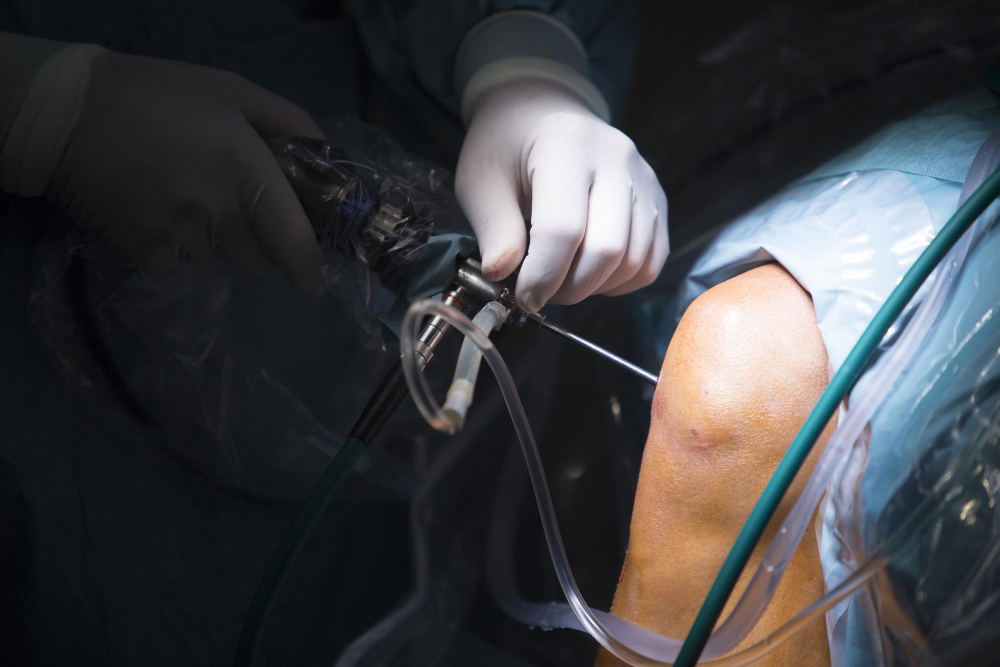
Arthroscopy is a type of surgery. It uses a small camera and tools to look inside a joint. For example, doctors often use it for knees, shoulders, or wrists. Because the cuts are tiny, healing is usually quick. Arthroscopy benefits include:
Moreover, this method helps doctors see and fix joint problems without large cuts. The Centers for Disease Control and Prevention (CDC) notes that arthroscopy is safe and effective for many people.
Overview of Robotic Surgery in Orthopedics
Robotic orthopedic surgery is a newer way to treat joint and bone issues. In this method, a surgeon uses a robot to help guide the tools. The robot does not work alone. Instead, it helps the doctor make very precise movements. Because of this, robotic surgery can offer many advantages:
For instance, robotic surgery is often used for hip and knee replacements. According to peer-reviewed medical journals, these surgeries can lead to better results for many patients.
Comparison: Arthroscopy vs. Robotic Surgery
Both arthroscopy and robotic orthopedic surgery are minimally invasive orthopedic procedures. However, they have some differences. Arthroscopy uses a camera to see inside the joint. On the other hand, robotic surgery uses a robot to help the doctor operate. While both methods offer less pain and faster healing, robotic surgery may provide even more accuracy. Still, your doctor will choose the best option based on your needs.
Common Conditions Treated with These Techniques
Doctors use advanced orthopedic care for many problems. Some common conditions include:
In addition, these techniques can help with sports injuries and some bone fractures. Early treatment often leads to better outcomes.
Diagnosis and Treatment Process
First, your doctor will ask about your symptoms and medical history. Next, you may need tests like X-rays or MRI scans. These tests help find the exact problem. After that, your doctor will discuss treatment options. Sometimes, rest and physical therapy are enough. But if you need surgery, advanced methods like arthroscopy or robotic surgery may be suggested. Throughout the process, your care team will guide you every step of the way.
Recovery, Rehabilitation, and Lifestyle Guidance
After surgery, recovery is important. Most people can go home the same day or soon after. However, you may need physical therapy to regain strength and movement. Your doctor will give you tips to help you heal, such as:
With proper care, you can return to your normal life faster. Always ask your doctor if you have questions during recovery.
Prevention Tips for Orthopedic Health
While advanced orthopedic care can treat many issues, prevention is always best. To keep your bones and joints healthy:
Additionally, see your doctor if you notice pain or swelling. Early care can prevent bigger problems later.
Conclusion
In summary, advanced orthopedic care offers many benefits for people with joint or bone issues. Both arthroscopy and robotic orthopedic surgery are safe, effective, and help you heal faster. Consult an orthopedic specialist at Dr. Shankarrao Chavan Memorial Medical College to learn which advanced treatment is right for you.