What Is Partial Knee Replacement?
Partial knee replacement is a type of knee surgery. It replaces only the damaged part of your knee joint. Unlike total knee replacement, this surgery keeps healthy bone and tissue. Many people choose partial knee replacement for knee pain relief. In fact, it is often called minimally invasive knee replacement because it uses smaller cuts. This means less damage to your knee. As a result, recovery is often faster. If you are looking for partial knee replacement in your city, many hospitals now offer this option.
Who Needs Partial Knee Replacement?
Not everyone with knee pain needs this surgery. Usually, doctors suggest partial knee replacement for people with damage in just one part of the knee. Often, this damage comes from osteoarthritis. However, other knee problems can also cause pain. You may be a good candidate if:
Still, only an orthopedic specialist can decide if this surgery is right for you.
Symptoms and Diagnosis
Many people feel pain, swelling, or stiffness in their knee. Sometimes, the pain gets worse when walking or climbing stairs. If you notice these signs, it is important to see a doctor. Your doctor will ask about your symptoms and check your knee. Often, they will order X-rays or other scans. These tests help find out how much of your knee is damaged. With this information, your doctor can decide if partial knee replacement is the best choice.
The Surgical Procedure
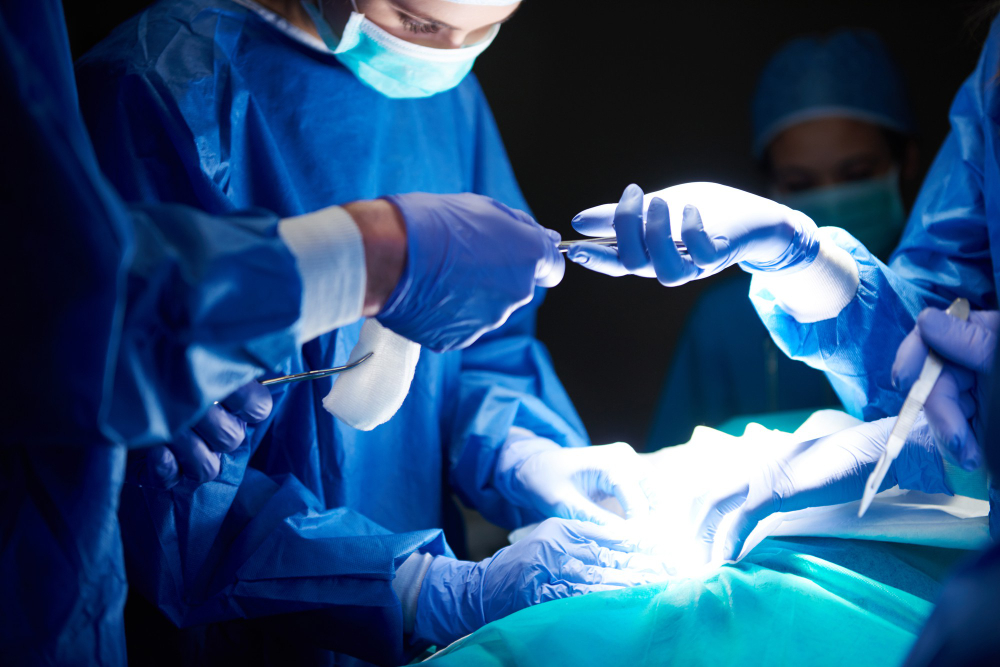
Partial knee replacement is usually done in a hospital. First, you will get anesthesia to keep you comfortable. Then, the surgeon makes a small cut over your knee. Next, they remove the damaged bone and cartilage. After that, they place a new metal and plastic part in your knee. This new part helps your knee move smoothly. The surgery often takes one to two hours. Because the cut is small, you may heal faster than with total knee replacement.
Benefits of Partial Knee Replacement
There are many benefits to this type of knee surgery. Some of the main advantages include:
Because only part of the knee is replaced, many people return to normal activities sooner.
Risks and Potential Complications
Like any surgery, partial knee replacement has some risks. However, most people do well. Possible risks include:
Your doctor will talk with you about these risks. They will also explain how to lower your chances of problems.
Recovery and Rehabilitation
After surgery, you will spend a short time in the hospital. Most people go home the same day or the next. Physical therapy starts soon after surgery. This helps you regain strength and movement. You may use a walker or crutches at first. However, many people walk on their own within a few weeks. Full recovery can take about six weeks. During this time, you should follow your doctor’s advice closely.
Tips for a Smooth Recovery
To heal well after partial knee replacement, try these tips:
With these steps, you can help your knee heal faster and better.
Prevention and Long-Term Care
After your knee heals, it is important to take care of it. For example, keep a healthy weight to reduce stress on your knee. Also, stay active with gentle exercises like walking or swimming. Avoid high-impact sports that can damage your knee. Regular check-ups with your doctor can help spot any problems early. With good care, your new knee can last many years.
If you are experiencing knee pain or considering partial knee replacement, consult Dr. Swapnil Chakkarwar for personalised advice and the best treatment options for your lifestyle.