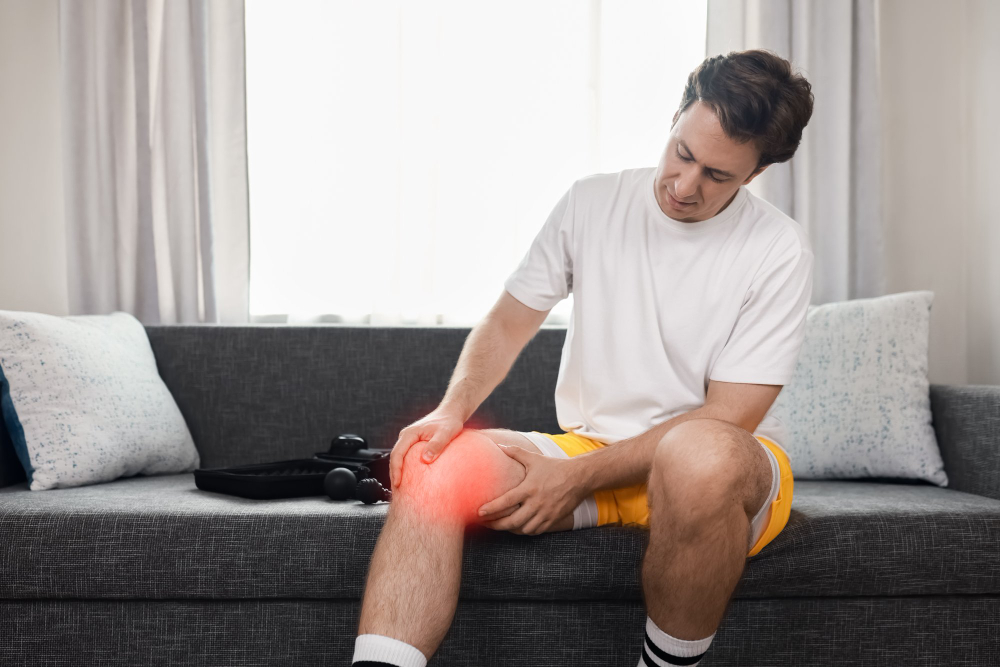
What is Patellar Dislocation?
Patellar dislocation happens when your kneecap, also called the patella, slips out of its normal spot. Usually, the patella sits in a groove at the end of your thigh bone. However, a sudden twist or direct hit can push it out of place. This injury is common in sports or after a fall. For many people, patellar dislocation feels scary and painful. Still, most cases can be treated with the right care.
Common Symptoms of Patellar Dislocation
When your kneecap slips out of place, you may notice several signs. For example, you might see your knee look odd or swollen. Often, people feel a sharp pain right away. Additionally, it may be hard to bend or straighten your knee. Some common symptoms include:
Sometimes, the kneecap moves back on its own. Even so, it is important to get checked by a doctor if you have these symptoms.
Causes and Risk Factors
Patellar dislocation often happens during sports or activities that involve jumping or quick turns. For instance, soccer and basketball players are at higher risk. But, anyone can have this injury after a fall or sudden movement. Several factors can raise your risk:
In some cases, the shape of your bones or your body’s alignment may make dislocation more likely. According to the American Academy of Orthopaedic Surgeons, young athletes are more prone to this injury.
How Doctors Diagnose Patellar Dislocation
Doctors use several steps to diagnose a patellar dislocation. First, they will ask about how the injury happened and your symptoms. Next, they will check your knee for swelling, shape, and movement. Often, doctors order imaging tests to see the bones and soft tissues. These may include:
With these tools, doctors can tell if your kneecap is out of place or if you have other knee injuries. In some cities, you can find clinics that offer same-day patellar dislocation treatment.
Treatment Options for Patellar Dislocation
Treatment for patellar dislocation depends on the injury’s severity. In many cases, doctors can gently move the kneecap back into place. This is called a reduction. Afterward, you may need a knee brace or crutches to keep your knee stable. Other common treatments include:
For example, surgery may be needed if you have torn ligaments or broken bone pieces. The Centers for Disease Control and Prevention (CDC) recommends early treatment to prevent long-term problems.
Recovery and Lifestyle Tips
After a patella injury, recovery can take several weeks. However, most people return to normal activities with proper care. During recovery, it is important to follow your doctor’s advice. Some helpful tips include:
Additionally, staying active with safe exercises can help your knee heal. Always let your doctor know if you feel new pain or swelling.
Preventing Patellar Dislocation
While not all patella injuries can be prevented, you can lower your risk. For instance, building strong thigh and hip muscles helps support your knee. Also, warming up before sports and using proper techniques can protect your joints. Other tips for prevention include:
In many cities, sports clinics offer programs to teach safe movement and reduce knee dislocation symptoms. By taking these steps, you can help keep your knees healthy and strong.